
-a one act play by Bhimnidhi Tiwari (1911 – 1973) 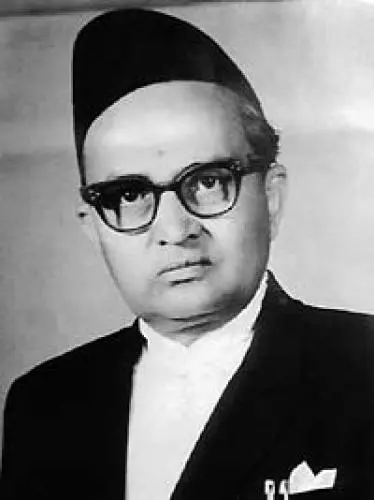
Explanation:
Bhimnidhi Tiwari is a well-known poet, story writer and a dramatist of Nepal. He was born in 1911 and died in 1973. In his initiation, Nepal Drama Society was founded in 1949. This society promoted Nepali plays by staging plays and encouraging Nepali playwrights to write plays. Tiwari won Madan Puraskar for literature in 1970.
A preceding history ( historical background)
(King Ranabahadur Shah was fond of rearing four-footed animals. Among the fourfooted animals, too, he was especially avid about rearing bulls. He was the very person to start a custom of releasing a bull with a burnt mark every month at Pashupatinath Temple. He was the one, who had maintained Thulo Gauchar (a large cow pasture), where an airport has been built now). Among many bulls reared by him, a bull named ‘Male’ fell sick. ‘You would get shaved if you came to tell me that a bull died’, he had threatened the bull doctor. The bull died. Taking the events following the bull’s death, this One Act Play has been written. –Playwright)
‘The Bull’ is also a satire to the feudal system of the then time. The play shows suppression, domination and dehumanization of the feudal system to its citizen. Ordinary people had to live a panic life. They had to depend on the mercy of their lord. Animals got more priority than human. In the play the bull enjoys more facility, respect and care than the cowherds. They were threatened to death penalty for the bull’s death.
Characters:
Ranabahadur Shah – The king, 23 years (grandson of King Prithvi Narayan Shah )
Laxminarayan Dahal (Jaisi)- Subedar with Samarjug Company, bichari of the Ita Chapali court, and bull doctor, around 40 years
Jitman – Cowherd
Gore – Cowherd
Male – the king’s bull.
Setting of the play
The play is set in three different places. Scene I at the yard of Laxminaraya house: Scene II is at the Courtyad of Basantapur Palace and Scene III is a cowshed at Thulo Gaucharan.
Time is month of Ahwin of 1854. Time is dawn and the day.
The Bull, is written in a form of a drama. It is a one-act play written by a famous Nepali poet Bhimnidhi Tiwari. The play is presented in three scenes. Rana Bahadur Shah, Laxminarayan, Jitman and Gore are the main characters in this play. It is a satire on the feudal system of that time.
In this play the dramatist has shown how the feudal system dehumanized human beings in the 18th century Nepal. The panic situation of the cowherds and the animal doctor is presented here when the king’s bull dies. The responsibility to give a good care to one of the king’s favourite bull was given to Laxminarayan and two cowherds, Gore and Jitman. The king has threatened them for a death penalty if the bull died. Unfortunately the bull dies one day. The bull doesn’t breathe, its tail is loose, eyes are still ears are drooped and has stopped eating. It is dead.
Jitman and Gore are the two cowherds deputed by Laxminarayan to look after the king’s bull ‘Male’. Laxminarayan has also informed about the death penalty if the bull dies. unfortunately, when the bull dies, the two cowhers are afraid. They run to inform Laxminarayan about the bull’s death. They think the reason behind the death of the bull is not the lack of care but due to the rich food like fine rice, lentil soup of split red gram and ghee given to the bull which it could not digest. Laxminarayan gives them an idea to continue the treatment of the bull as if it is still alive. Laxminarayan has the access to the king so that goes to the palace to inform the king about the bull. Then Laxminarayan says;
Since midnight, Your Majesty! Till now (Pointing towards Jitman), he is massaging the feet. (Pointing towards Gore) He is waving the fan. I have been preparing and administering medicine. Bull sir swallows medicine. Neither does he get up, nor does he move. Neither does he bellow, nor does he eat anything. He is only listening to us. He keeps staring.
After listening to Laxminarayan, the king wants to see the bull himself. He wants to know the condition of his bull and doesn’t want to take the bull to the hill. Therefore he comes to place ( Thulo Gaucharan ) where the bull is lying.
Laxminarayan was a cunning person. He wanted to trick the king. So he runs ahead the convoy and tells the cowherds to massage the hind legs of the bull and keep fanning the bull until the king arrives. He starts grinding medicine for the cow. With this Laxminarayan wants to show the king that they are giving all care to Male, the bull.
After reaching Thulo Gaucharan, the king examines the bull. The bull’s eyes are still, tail has loosened, both ears are drooped. Looking all this the king himself declares the bull’s death. Though they start to show their agony on the bull’s death, they are quite happy that the king himself knew about it. Laxminarayan, Jitman and Gore start to cry in pain at the bull’s death. The king thinks they are suffering a lot for the loss of the bull and announces rewards to Jitman and Gore for their kind service to the bull. The king tells Laxminarayan to perform its funeral rites with the help of the priests.
All the three ( Laxminaraya, Gore and Jitman ) are happy in the end because they escaped death.
The end.
Typical Nepali terms in the drama. Bichari, baje, pathi, dharni, ana, swosti, palanquin, chakari
Satire:
The formal definition of satire is “the use of humor, irony, exaggeration, or ridicule to expose and criticize people’s stupidity or vices.” It’s an extremely broad category. The most satires are humorous, ironic, and exaggerated, but they only have to be one of these things to count as satire.
There are two important things to remember about satire:
1. It makes fun of a person, idea, or institution
2. Its purpose is not just to entertain, but also to inform or make people think.
Satirists hold a mirror to the flaws of society, helping people think critically about things they might otherwise just take for granted.
In this One-Act Play analysis, the readers can find the answers of maximum questions related to this poem.